Amazing Himalayan Pink Salt: Benefits, Uses & Facts
Have you ever picked up a bag of pink Himalayan salt at the grocery store and thought, "Is this actually better than regular salt, or is it just marketing?”
That's a fair question. And you deserve a straight answer.
Himalayan pink salt is popular for a reason. But not everything you read about it online is accurate. Some claims are real. Some are exaggerated. And some are just plain wrong. This guide covers the real facts: what Himalayan pink salt is, what it actually does, and how you can use it in your daily life. No fluff, no hype.
What Is Himalayan Pink Salt?
Himalayan pink salt is a type of rock salt. It comes from the Punjab region of Pakistan, near the base of the Himalayan mountains.
It is not the same as sea salt. Sea salt forms when seawater evaporates. Himalayan salt formed hundreds of millions of years ago, when an ancient sea dried up, leaving behind thick salt deposits. Later, when tectonic plates clashed and the Himalayan mountains rose, those deposits got pushed up and buried deep underground.
People have been mining this salt and using it in cooking since at least the 1200s. That's over 800 years of documented use.
Today, Pakistan exports around 400,000 tons of it every year. You can find it in grocery stores, wellness shops, spas, and even home décor.
Quick Facts at a Glance:
-
Origin: Punjab region, Pakistan
-
Type: Rock salt (not sea salt)
-
Colour: Light pink to deep rose
-
History: Mined for 800+ years
-
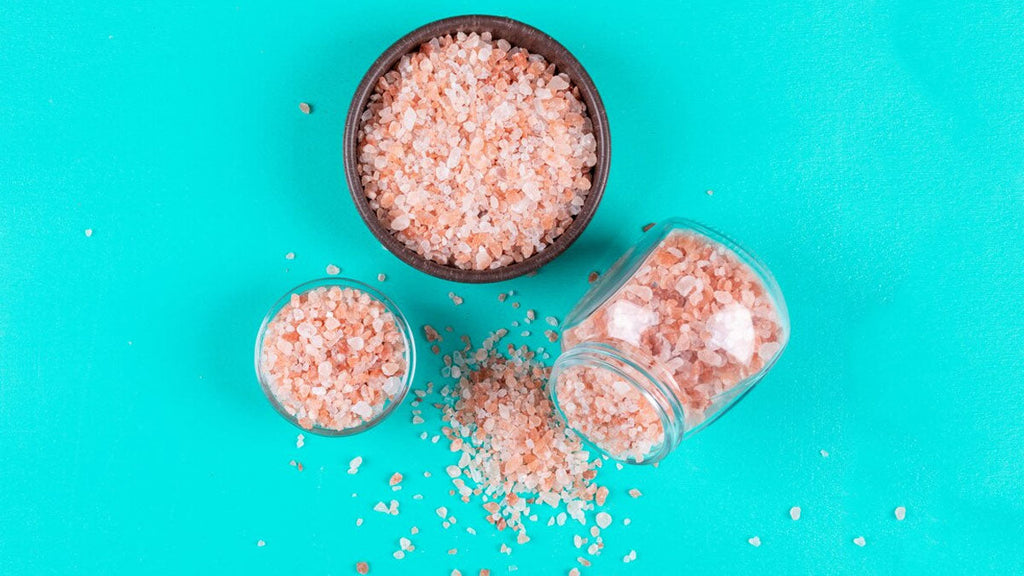
Available forms: Fine grains, coarse crystals, Himalayan salt blocks, tiles, bricks, and lamps
Why Is Himalayan Salt Pink?
The colour comes from iron oxide, the same compound that makes rust look red. It's present naturally inside the salt crystals.
Here's something worth knowing: the finer you grind the salt, the lighter the colour gets. Coarse Himalayan salt looks deep pink. Finely ground Himalayan salt looks nearly white.
The colour is completely natural. No dyes. No additives. Just minerals.
Himalayan Pink Salt vs Sea Salt vs Table Salt
People often ask, "Which salt is better?"Here's a simple comparison.
|
Type |
Source |
Colour |
Trace Minerals |
Iodine Added |
|
Himalayan Pink Salt |
Rock deposits, Pakistan |
Pink |
84+ trace minerals |
No |
|
Sea Salt |
Evaporated seawater |
White or grey |
Yes, varies |
Sometimes |
|
Table Salt |
Processed rock salt |
White |
Minimal |
Yes |
One teaspoon of table salt contains about 2,300 milligrams of sodium; that's the daily recommended limit. One teaspoon of Himalayan pink salt contains roughly 2,200 milligrams. The difference is tiny.
All three salts are mostly sodium chloride. The trace minerals in Himalayan salt exist in very small amounts and don't dramatically change the nutrition profile.
The real difference is flavour, texture, sourcing, and how you use it.
What Minerals Does Himalayan Pink Salt Contain?
Himalayan pink salt reportedly contains traces of 84+ minerals. The main ones include:
-
Calcium
-
Potassium
-
Magnesium
-
Iron
-
Zinc
These minerals give the salt its pink colour and its slightly different taste compared to plain table salt.
However, and this is important, the amounts are too small to replace the minerals you get from food. You would need to eat a dangerous, life-threatening amount of salt to get meaningful mineral nutrition from it alone. So don't count on Himalayan salt as a mineral supplement. Eat a balanced diet instead.
Is Himalayan Pink Salt Actually Good for You?
In moderation, yes, it's fine for most healthy adults.
When you use it as you would regular salt a pinch in food, a sprinkle to finish a dish it has no major health downsides. Some people even find the flavour slightly richer, so they end up using a little less. That's actually a benefit.
But no major peer-reviewed study has proven that Himalayan pink salt is significantly healthier than regular salt. The honest answer is: it's a high-quality natural salt with a beautiful colour, a pleasant flavour, and a rich history. It's not a superfood.
The American Heart Association recommends no more than 2,300 mg of sodium per day. The NHS recommends adults eat no more than 6g of salt daily. Himalayan pink salt counts toward those limits just like any other salt.
7 Real Benefits of Himalayan Pink Salt
These benefits are based on general nutrition knowledge, historical use, and common wellness practices, not unproven marketing claims.
1. Contains Trace Minerals
Regular table salt is almost entirely sodium chloride. Himalayan salt carries traces of calcium, potassium, magnesium, and iron. These support muscle function, nerve signals, and bone health, even in small amounts.
2. Supports Electrolyte Balance
Your body needs electrolytes to work properly. Sodium is one of the most important ones. It helps your body hold onto water and maintain fluid balance. This matters after intense exercise or in hot weather when you sweat more.
3. May Soothe Skin Conditions
Bathing in salt water is a long-standing remedy. The National Eczema Association suggests adding salt to bathwater to ease eczema flare-ups. Himalayan salt used in a bath may reduce irritation and help calm inflamed skin. Beyond the bath, a warmed Himalayan salt massage stone can be rolled over sore muscles and joints to ease tension, a practice used in many professional spas today.
4. Supports Digestion
Salt activates digestive enzymes in your stomach. It helps your body break down food and absorb nutrients. A small amount of Himalayan pink salt in warm water before a meal is a traditional digestive practice in many cultures.
5. Eases Respiratory Discomfort
Salt therapy, also called halotherapy, has been practised for centuries in parts of Europe and Asia. Breathing salt-infused air may help clear the airways and reduce inflammation. Many spas and wellness centers build salt rooms using Himalayan salt tile panels and bricks to recreate this mineral-rich environment naturally.
6. Natural Sore Throat Relief
Gargling with warm salt water is one of the oldest throat remedies around, and it works. Replace table salt with a quarter teaspoon of finely ground Himalayan pink salt in half a cup of warm water. Gargle for 30 seconds. It reduces swelling, draws out mucus, and kills bacteria.
7. Enhances the Cooking Experience
Many chefs prefer Himalayan salt for finishing dishes. Coarse salt melts slowly on warm food, giving a burst of clean mineral flavour. Cooking directly on a heated salt block transfers that flavour into proteins and vegetables in a way regular pans can't match.
Side Effects: What Too Much Salt Does to Your Body
Himalayan salt is still salt. Eating too much of it causes the same problems as eating too much of any salt.
High Blood Pressure: Too much sodium raises blood pressure over time. High blood pressure is the leading cause of heart disease and stroke. If you already have cardiovascular issues, keep your salt intake low.
Kidney Stress: Your kidneys filter sodium from your blood. Excess sodium puts strain on them. People with chronic kidney disease should follow their doctor's guidelines for sodium intake.
Iodine Gap: Regular table salt contains iodine. Himalayan salt does not contain enough iodine to meet your daily needs. If Himalayan salt is your only salt source and you don't regularly eat dairy, seafood, or eggs, you may develop an iodine deficiency. This is especially serious during pregnancy, as low iodine can affect fetal brain development.
Dehydration: High sodium pulls water from your cells. This leads to increased thirst, bloating and puts stress on your heart and kidneys.
Who needs to be careful?
-
Adults with high blood pressure or heart disease
-
People with chronic kidney disease
-
Pregnant or breastfeeding women
-
Children under 11 (they need much less sodium than adults)
-
Babies under 1 year (their kidneys cannot process salt)
Always speak with your doctor before making significant dietary changes, especially if you have a health condition.
6 Practical Everyday Uses of Himalayan Pink Salt
1. Seasoning and Cooking
Use it exactly like regular salt. It works in pasta water, soups, marinades, roasted vegetables, and grilled meats. Fine-ground Himalayan salt dissolves easily. Coarse salt works well as a finishing touch.
2. Cooking on a Salt Block
Using a Himalayan salt block for cooking is simpler than most people think. Heat it on your grill or stovetop, then cook fish, steak, shrimp, or sliced vegetables directly on the surface. The salt lightly seasons the food from below and creates an even cooking temperature. The result is a subtle, clean mineral flavour you can't get from a regular pan.
3. Detox Bath Soak
Add one cup of Himalayan pink salt to a warm bath. Soak for 15 to 20 minutes. The minerals absorb through the skin and may ease tired muscles, reduce puffiness, and soothe dry or irritated skin. It's a simple, low-cost recovery tool.
4. DIY Skin Scrub
Mix coarse Himalayan salt with coconut oil or olive oil. Use it as a scrub on your feet, hands, or elbows. It removes dead skin and leaves the area feeling smooth. Rinse well with warm water.
5. Salt Lamp for Soft Lighting
Himalayan salt lamps are carved from solid salt crystal. When lit, they give off a warm, amber-pink glow. Many people use them for their calming visual effect and as natural home décor. Note: The claim that they filter air or release negative ions has not been scientifically proven. Enjoy them for what they are: beautiful, natural light sources.
6. Building Wellness and Spa Spaces
Himalayan salt tile for walls is one of the most popular choices for home spas, saunas, and therapy rooms. Salt tiles, bricks, and blocks are built into salt walls and wellness rooms that, when gently heated, create a dry, mineral-rich atmosphere similar to a natural salt cave.
If you're building a home spa, sauna corner, or wellness room, Himalayan Salt Tile offers premium-grade salt tiles, bricks, and blocks in multiple sizes for both personal and commercial use, with fast, reliable shipping.
Common Myths About Himalayan Pink Salt: Cleared Up
There's a lot of misleading information online. Here's what the science actually says.
Myth: Himalayan salt has much less sodium than table salt. Not true. Both have roughly 2,200–2,300 mg of sodium per teaspoon. The difference is insignificant.
Myth: The 84 trace minerals make it a health supplement. Not accurate. The minerals are present in amounts too small to provide meaningful nutrition through normal salt use.
Myth: Himalayan salt lamps purify air and relieve allergies. No scientific evidence supports this. They look beautiful and create a relaxing atmosphere, but they don't filter toxins from the air.
Myth: Himalayan salt hydrates you better than regular salt. This is backwards. Too much sodium causes dehydration, not the opposite. Drink water to stay hydrated.
Myth: It's better for high blood pressure than regular salt. All salt raises blood pressure when consumed in excess. Himalayan pink salt is not an exception.
FAQs
What makes Himalayan pink salt different from regular salt?
It comes from ancient underground deposits in Pakistan and contains trace minerals like iron, calcium, and potassium. These give it a pink colour and a slightly richer flavour. Nutritionally, it's very close to regular table salt.
Can I use Himalayan pink salt every day?
Yes. Use it the same way you'd use any salt in moderation. Stay within the daily sodium limit of about 2,300 mg, which is roughly one teaspoon.
Does gargling with Himalayan salt help a sore throat?
Yes. Mixing a small amount of finely ground Himalayan salt in warm water and gargling with it helps reduce throat swelling and kills bacteria. It's a proven, simple remedy.
Is Himalayan salt safe for children?
In very small amounts, yes. But children need far less sodium than adults. Babies under one year old should have no added salt at all.
What are Himalayan salt tiles used for?
Salt tiles are flat slabs of solid Himalayan rock salt. They're used for cooking food directly on the surface, building decorative salt walls, and creating spa environments. They're popular in restaurants, spas, and wellness spaces.
Does Himalayan pink salt contain iodine?
No, not in significant amounts. If you switch entirely to Himalayan salt, make sure you get iodine from other sources like eggs, dairy, or seafood.
Where can I find pink Himalayan salt bricks for sale?
You can find pink Himalayan salt bricks for sale at speciality wellness retailers and online stores. Himalayan Salt Tile offers a full range of sizes, from standard 8"x4" bricks to larger custom options suitable for cooking, décor, and building salt walls or therapy rooms.
Conclusion
Himalayan pink salt is not a miracle product, but it is more than just a trend. It is a natural rock salt with a long history of use, a unique flavour, and several practical uses in cooking, wellness routines, and home spaces.
While it does contain trace minerals, it should still be used the same way as any other salt: in moderation. Whether you're seasoning a meal, enjoying a warm salt bath, or exploring salt tiles for a wellness space, pink Himalayan salt products in Canada and across North America are now widely available through speciality retailers and online suppliers such as Himalayan Salt Tile.
Disclaimer: This article is for general information only. It is not intended as medical advice. If you have a health condition, speak with a qualified healthcare provider before making any changes to your diet or salt intake.